When Can I Start Scar Therapy?
Oct 30, 2026Whether your surgery was six weeks ago or sixteen years ago, scar therapy may still have something to offer.
One of the most common questions I'm asked is, "How soon after surgery can I start scar therapy?"
Whether you've had a C-section, breast cancer surgery or another surgical procedure, knowing when to begin scar rehabilitation can help you feel more confident about your recovery.
The important question isn't simply how old your scar is, but whether it's ready for treatment and what support would be most beneficial at your stage of recovery.
How Soon After Surgery Can I Start Scar Therapy?
Around 6–8 weeks after surgery is generally a good time for an initial scar assessment, provided your wound has fully healed, there are no signs of infection and your recovery is progressing well.
However, this is a guideline rather than a strict rule. Some scars may be ready for gentle hands-on treatment earlier, while others may need considerably more time to heal.
Every scar is different, and the timing of treatment depends on factors such as the type of surgery, wound healing, scar sensitivity and any complications during recovery.
Even if your scar isn't quite ready for hands-on treatment, an appointment can still be beneficial. We can discuss appropriate scar care, movement, rehabilitation exercises and ways to support your recovery while the tissues continue to heal.
📩 If you're unsure whether it's the right time to attend, simply get in touch and I'll be happy to advise you.
What If I've Had Wound Healing Problems or Complications?
If you've experienced delayed wound healing, wound reopening, a significant infection or other surgical complications, you may need to wait longer before beginning direct scar massage or mobilisation.
Hands-on scar treatment should only begin when the wound has healed sufficiently and it is safe to do so.
However, this doesn't necessarily mean you need to put your entire recovery on hold.
Depending on your circumstances, you may still benefit from advice on protecting and caring for the healing area, maintaining comfortable movement, restoring mobility and gradually rebuilding strength and confidence with everyday activities.
We can also look at ways to improve your overall function while you're waiting for the wound to heal or an infection to resolve, without placing unnecessary stress on the affected tissues.
If there's an active infection or an open wound, appropriate medical or wound-care management takes priority. Once healing has progressed sufficiently, we can reassess when direct scar treatment may begin.
The aim is to support your recovery at the right pace for you, rather than rushing treatment before your tissues are ready.
Why Can Early Scar Rehabilitation Be Beneficial?
Scar tissue continues to change and remodel for many months following surgery, and sometimes longer.
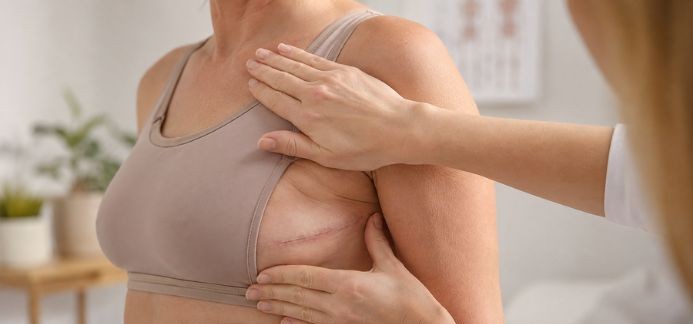
Seeking advice during the earlier stages of healing can be beneficial because we can identify concerns, introduce appropriate rehabilitation and help you manage your scar as it develops.
This might include:
 Scar assessment: Checking for tenderness, sensitivity, thickening or restrictions in tissue mobility.
Scar massage and mobilisation: Introducing gentle techniques when your wound is fully healed and your tissues are ready.
Scar care products: Advising on moisturisers, silicone gels or sheets, and other products where appropriate.
Movement and exercise: Helping restore comfortable movement, strength and function following surgery.
Management of raised scars: Identifying hypertrophic or keloid scarring and discussing suitable management options, including silicone or specialist compression where indicated.
The timing of certain products can be particularly important.
For example, silicone products are commonly recommended for the prevention and management of raised scars once the skin has fully healed. They are generally more useful when introduced during the earlier stages of scar development, although established scars may also benefit.
Similarly, keeping newly healed skin appropriately moisturised can help support the skin barrier and reduce dryness and trans-epidermal water loss as the scar continues to mature.
The key is choosing the right treatment or product for your individual scar rather than assuming that every scar needs the same approach.
When Can I Attend for a C-Section Postnatal Checkup?
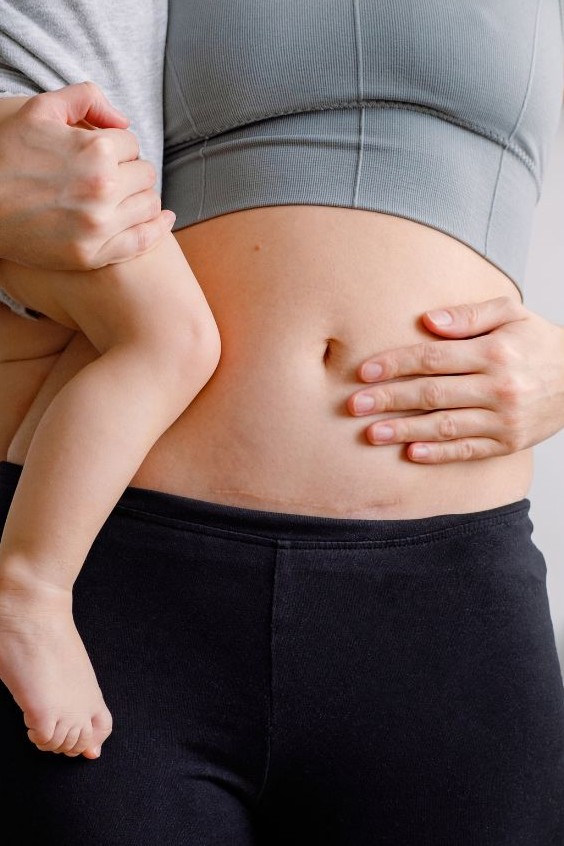
Following a C-section, around 6–8 weeks after delivery is generally a good time to attend for a scar assessment and postnatal rehabilitation advice, provided your wound is fully healed and there are no complications.
✅ During your appointment, we can assess your scar, abdominal wall function and any areas of discomfort or restriction. We can also discuss your recovery goals and introduce appropriate exercises to help you return to everyday activities and exercise with confidence.
But I also appreciate that life with a new baby can be incredibly demanding.
Between feeding, broken sleep, looking after other children and adjusting to a completely new routine, finding time for yourself isn't always easy.
If you can't attend at six or eight weeks, please don't worry.
Whether you come at three months, six months, twelve months or later, there may still be plenty we can do to support your recovery.
You don't need to put yourself under pressure to book an appointment at a particular time. Come when you feel ready and have the time and energy to focus on yourself.
When Can I Attend for Scar Therapy After Chemotherapy or Radiotherapy?
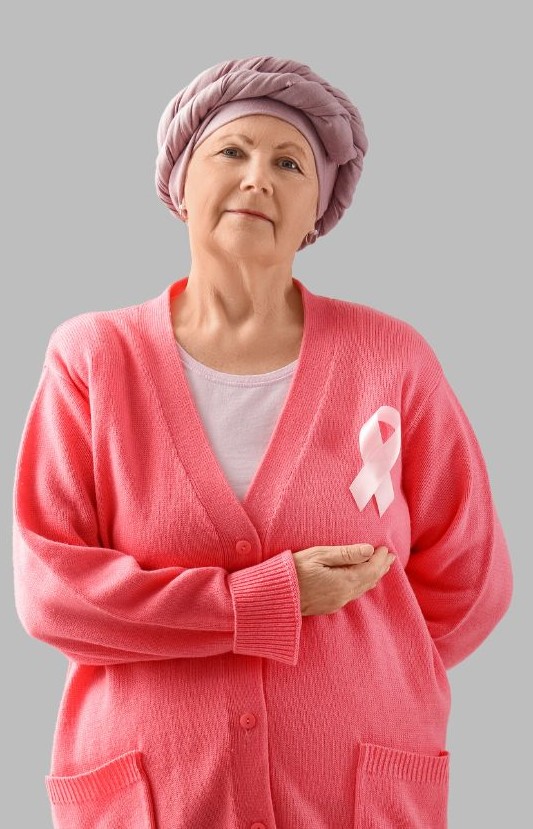
Scar rehabilitation can be an important part of recovery following cancer treatment, but the appropriate timing depends on your individual treatment, skin condition, healing and overall health.
Following Chemotherapy
There isn't one fixed waiting period that applies to everyone following chemotherapy.
Factors such as your blood counts, infection risk, fatigue, wound healing and any ongoing treatment-related complications may influence when hands-on scar therapy is appropriate.
Where necessary, I can liaise with your oncology team to establish the safest and most appropriate timing for treatment.
Following Radiotherapy
As a general guideline, direct scar massage over the treated area should not begin until at least two weeks after radiotherapy has finished, and only when the skin has recovered sufficiently.
Radiotherapy can cause skin sensitivity, inflammation and fragility, sometimes with delayed skin reactions after treatment has ended.
During the first eight weeks following radiotherapy, communication with your medical team is recommended before beginning direct treatment over the irradiated area. This helps establish whether there are any concerns about skin integrity or other reasons to delay scar massage.
However, these timeframes are guides rather than automatic clearance for treatment. The most important consideration is your individual readiness, including how well the skin and underlying tissues have recovered, whether there is any ongoing irritation or breakdown, and whether your medical team has identified any precautions.
Some people may be ready for gentle treatment relatively soon after the minimum waiting period, while others may need considerably longer.
When treatment is appropriate, we begin very gently, using shorter treatment durations and lighter pressure, progressing according to your skin's response.
Preparing for Radiotherapy
Scar rehabilitation can sometimes be helpful before radiotherapy begins.
For example, following breast cancer surgery, scar tightness around the chest wall, shoulder or underarm can make it difficult to comfortably raise your arm into the position required for radiotherapy.
Where the wound has healed sufficiently and treatment is medically appropriate, gentle scar rehabilitation and targeted mobility exercises may help improve your range of movement and make treatment positioning more comfortable.
This can be particularly valuable when preparing for radiotherapy following breast surgery.
Following Breast Reconstruction
Following breast reconstruction, a waiting period of approximately 12 weeks is often advised before beginning direct scar mobilisation over the reconstructed breast, allowing the tissues to heal and the reconstruction to settle.
This is particularly important following procedures such as 3D nipple reconstruction, where protecting the reconstructed tissues and allowing their shape to stabilise is essential.
However, the 12-week timeframe is a general guide, not a fixed rule.
Some people may have healed exceptionally well and be ready for certain gentle rehabilitation techniques earlier, subject to their surgeon's advice. Others may need considerably longer, particularly if they've experienced complications such as persistent infection, seromas (fluid collections), haematomas (blood collections) or delayed wound healing.
The type of reconstruction, the condition of the scar and surrounding tissues, and your surgeon's recommendations all influence when direct treatment is appropriate.
The priority is ensuring the tissues are sufficiently healed and ready, rather than beginning treatment simply because a particular number of weeks has passed.
Other aspects of recovery, such as shoulder mobility and appropriate movement rehabilitation, may be addressed earlier where medically suitable.
Is It Too Late to Treat an Older Scar?
Absolutely not.
One of the things I regularly hear from clients is that they simply didn't know scar therapy existed when they had their surgery.
I've worked with people whose scars are 10 or 15 years old, and who are only now discovering that treatment may help with longstanding tightness, tenderness or restricted movement.
Although older scars are more established, they can still respond to appropriately selected treatment and rehabilitation.
The goals may be different from those for a newly healed scar. For example, certain products used to manage raised scars are generally most effective during the earlier stages of scar development.
However, hands-on scar mobilisation, movement rehabilitation and individualised self-management techniques may still improve comfort and function many years after surgery.
Your scar doesn't have an expiry date for rehabilitation.
Do I Need a GP Referral?
No. You can self-refer and book directly with The Scar Expert without needing a GP referral.
For more complex cases, particularly following cancer treatment, I may recommend contacting your surgeon, oncologist or wider medical team to confirm that scar therapy is appropriate at that stage of your recovery.
If this is necessary, I'll discuss it with you and help coordinate the relevant communication. You don't need to arrange a referral before getting in touch.
Ready to Take the Next Step?
Whether your scar is six weeks old or sixteen years old, it's worth finding out what support may be available.
At The Scar Expert, I provide individualised scar rehabilitation for oncology, C-section and surgical scars, helping you improve comfort, mobility and confidence in your recovery.
Not sure whether you're ready for an appointment? Get in touch and I'll be happy to advise you.
Ready to book? Appointments can be booked online at www.thescarexpert.ie.
Lorraine
The Scar Expert
Specialist Scar Rehabilitation
*Oncology • C-sec
Could scar rehabilitation help you?
If your scar feels painful, tight, sensitive or restricted, specialist scar rehabilitation may help you understand what's happening and what you can do for relief.
Join 'The Scar Community'
Practical advice and expert guidance to help you better understand and care for your scar.
Join my EMAIL NEWSLETTER for evidence-informed scar advice, helpful articles and videos, and practical guidance on recovery after surgery, cancer treatment or injury — delivered straight to your inbox.
No spam. Just useful scar information and occasional updates from The Scar Expert. Unsubscribe anytime.