
Is Your Scar Dry? Scar Hydration Matters
Oct 05, 2026Is Your Scar Dry? Why Scar Hydration Matters More Than You Might Think
Your wound has closed. The stitches are out. Everything looks like it's healing.
So surely the hard part is over?
Perhaps.
But there's something quite simple that may be getting overlooked: hydration.
We tend to think about moisturising as skincare.
When it comes to a healing scar, though, keeping the skin appropriately hydrated can actually be an incredibly important part of scar management.
And particularly during those early months, it's something relatively simple that you can do yourself.
Why does a new scar become so dry?
Healthy skin has a very clever barrier system.
One of its jobs is to prevent too much water escaping from the body through the skin — something known as transepidermal water loss, or TEWL.
When your skin has been disrupted by surgery, injury or a burn, that barrier has to rebuild.
⚠️ Even once the wound has closed and new skin has formed across it, the barrier function of a developing scar isn't necessarily behaving exactly like your normal, uninjured skin yet.
Research has found increased water loss from active scar tissue, and this disruption in barrier function is one of the reasons hydration and occlusion (helping to seal moisture into the skin) have become established parts of conservative scar management. Read full research reference here.
And you may actually feel the consequences yourself.
Your scar might:
- feel dry or rough
- become flaky
- feel tight or uncomfortable
- itch
- become more easily irritated
- feel less soft and supple than the surrounding skin
So when someone tells me their new scar is dry, tight and itchy, hydration is one of the things I want to think about.
A well-hydrated scar is a happier scar
👉 One of our goals during scar rehabilitation is to create a good environment for the scar as it continues to mature and remodel.
Keeping the area appropriately moisturised can help support the skin barrier, reduce excessive water loss and keep the skin softer and more supple.
There's also increasing research interest in the relationship between abnormal water loss from scar tissue and hypertrophic scar activity. Moisturisers have been shown to differ considerably in how effectively they increase hydration and reduce TEWL, which is one reason I don't think scar care should necessarily amount to grabbing whatever moisturiser happens to be in the bathroom. Read full research reference - here.
The product matters, as does what your individual scar needs.
When should I start moisturising my scar?
Products should generally only be applied directly to a scar once the wound is fully closed, unless your surgical or wound-care team has specifically advised otherwise.
That means no open areas, weeping or wound breakdown.
Once the skin is healed, regular hydration can become particularly useful during the early months while the scar is still actively changing.
Depending on the product and your individual skin, this may mean applying something more than once during the day rather than moisturising once and forgetting about it.
Some scar-care products recommend twice-daily application; others can be reapplied more frequently according to need. For example, NAQI's Cica Cream recommends at least twice daily, while its Derma Care moisturiser can be reapplied as needed.
Rather than prescribing “three times a day” for every scar, I prefer to look at how dry the area is, the product being used and what else we're doing with the scar.
So… what should I actually put on my scar?
This is where people often become confused.
Cream?
Oil?
Silicone gel?
Silicone sheet?
You've probably been recommended several different products, and perhaps have three half-used tubes sitting in a bathroom drawer already.
There isn't one product that's automatically best for every scar.
Broadly, I tend to think about products in three categories.
1. Scar creams and moisturisers
A good moisturising cream can be a very useful everyday option, particularly when the skin feels dry, itchy or tight.
Cream formulations contain a mixture of water and lipid components and may also contain humectants, emollients or occlusive ingredients that help increase hydration, soften the skin and reduce moisture loss.
The exact formulation matters more than whether a product is marketed as “natural”.
Some products are designed specifically for fragile or recovering skin and may contain ingredients intended to support the skin barrier.
I'll add some of the products I commonly recommend here, because different formulations suit different people and different scars.
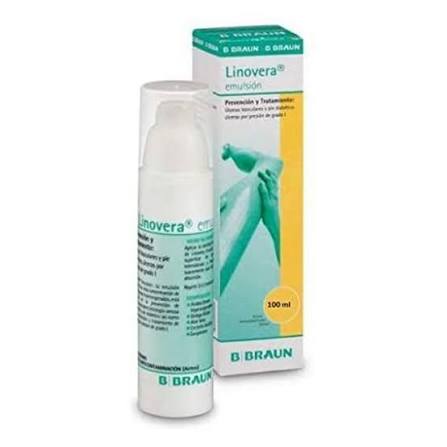
Linovera Emulsion Cream
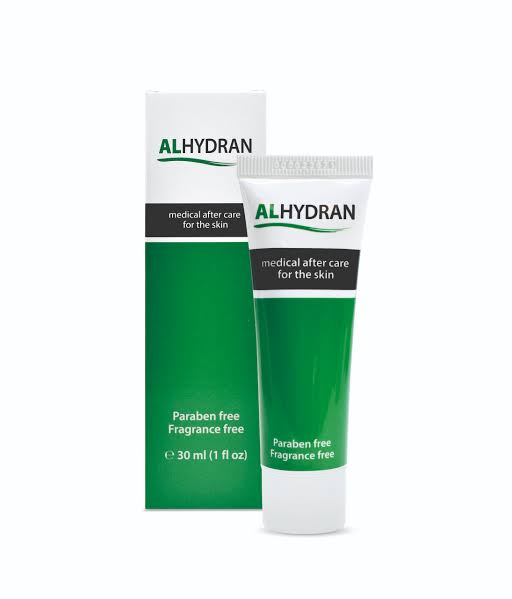
Alhydran Cream
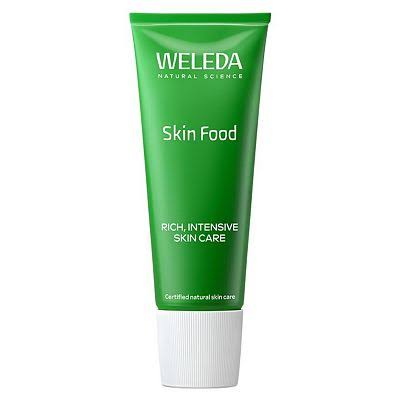
Waleda Cream
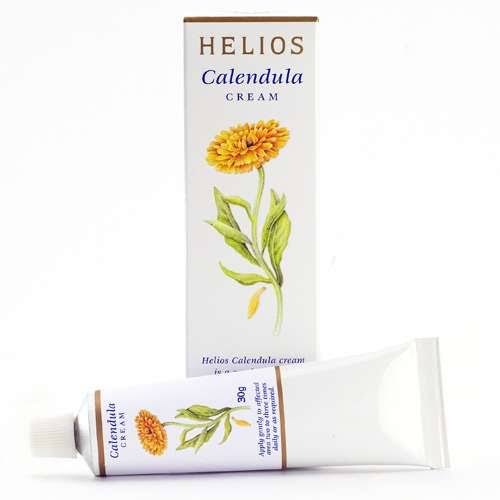
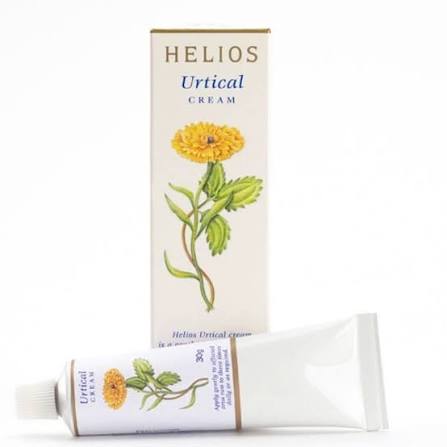
Helios Range: Calendula and Urtical (good for itching)
For somebody who has undergone cancer treatment, skin can sometimes be particularly dry, reactive or sensitive, so I prefer to choose products based on skin tolerance, ingredients and the individual's treatment history, rather than assuming that one product will suit everybody.
* Arrange an individual consultation if you need further individual product recommendations for your particular scar.
2. Scar oils
Oils can also have a place in scar care.
They're particularly nice when you're doing scar massage because you can apply them at the end of your routine and they can leave the skin feeling soft and conditioned afterwards.
For some people, applying a small amount of oil becomes a really manageable way of finishing their home scar routine.
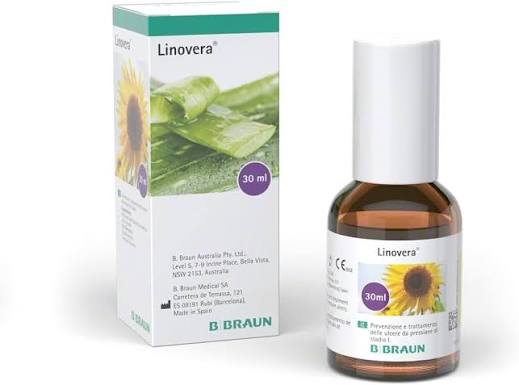
Linovera Oil
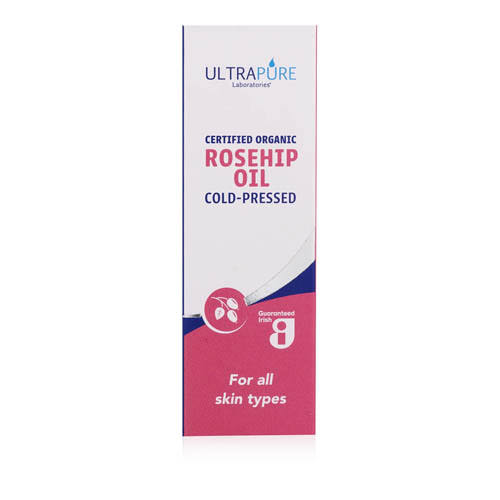
Rosehip Oil - there are many different brands, a firm favourite of mine!
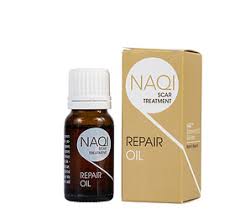
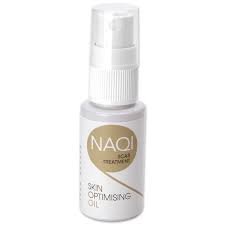
NAQI Range of Oils: Repair Oil and Skin Optimising Oil
The NAQI repair oil is best used in the first few weeks of healing and then the NAQI replenishing oil as healing progresses. They are rich in omega 3, essential fatty acids and antioxidants.
Rosehip oil can be used on its own or it will be an ingredient in other oils. For example, NAQI's scar-care range includes a 100% organic rosehip-oil product as well as an Optimising Oil containing rosehip and other oils and fatty-acid-rich ingredients.
One thing I wouldn't do is assume that a product is better simply because it's an oil — or because the label says “natural”.
Different products have different purposes.
And if you have very sensitive skin, recently treated skin or an oncology scar, ingredient selection becomes particularly important.
What about Bio-Oil or baby oil?
You may have noticed I've not included these two popular options of oils and in particular, Bio-oil has done a great job of marketing itself as 'the go-to oil' for your scar. But... are they the best?
They're certainly not automatically “bad” products and they can still be effective as an occlusive (preventing water loss) because they tend to sit on the surface of the skin rather than penetrating into the deeper skin layers. But mineral oil/petrolatum-derived ingredients can potentially be a source of irritation for very delicate or sensitive skin.
So they aren't necessarily my first choice (my own personal preference) or the product I would choose for every scar.
For scar rehabilitation, I want to think about what we're trying to achieve — hydration, occlusion, massage glide, management of a raised scar, sensitive skin, or perhaps a combination of these.
3. Silicone gels and Silicone sheets
Silicone is slightly different.
Rather than simply thinking of it as a moisturiser, silicone creates an occlusive barrier over the scar, helping reduce water loss from the developing scar tissue. Read full research reference - here.
Silicone products generally come as either:
- silicone gel
- silicone sheets
And silicone has some of the strongest evidence behind it in conservative scar management.
International scar-management guidelines recommend silicone gel or silicone sheeting as a first-line non-invasive option for hypertrophic scars and keloids, alongside benefits including hydration and UV protection. Read full research reference - here.
A systematic review of randomised trials has also found evidence supporting silicone gel for prevention and treatment of hypertrophic scarring, although I would suggest a silicone sheet over a silicone gel if you have a raised, thickened scar.
When might I particularly consider silicone?
If a scar is beginning to become:
raised, thickened, red or increasingly hypertrophic, or if somebody has a tendency towards problematic scarring, silicone is something I would want to consider relatively early once it is safe to do so.
Keloid and hypertrophic scars can become progressively more established with time, so early assessment is valuable rather than simply waiting many months to see what happens.
Silicone isn't guaranteed to flatten every raised scar, and established keloids may require medical treatment in addition to conservative management, but it is one of our best-supported non-invasive options and better when used early.
Silicone sheets versus silicone gel
Both have their uses.
A silicone gel dries on the skin and can be particularly convenient on areas where wearing a sheet would be awkward e.g. facial scar, a joint with a lot of movement e.g. elbow.
A silicone sheet physically covers the scar and provides substantial occlusion, reducing water loss through the scar surface, and it can change the tensional forces transmitted through the scar because of the contact it gives over the scar compared to a gel. I
Some silicone gels also contain SPF, which can be useful because new scar tissue needs careful UV protection.
But always check the actual product: don't assume every silicone gel contains adequate sun protection simply because some do.
* Also, always do a patch test when using silicone products on an area of skin not affected with a scar. Allergic reactions are extremely uncommon but I always like to be on the cautious side.
Can I use more than one scar product?
Yes — and this is where an individual scar-care routine can become really useful.
It doesn't necessarily have to be:
cream OR oil OR silicone.
There may be a role for different products at different points in the day.
For example, someone using a reusable silicone sheet may remove it according to the manufacturer's instructions to clean the sheet and wash and dry their skin. That's when they may use a suitable moisturising product.
The important practical point is that the skin generally needs to be clean and completely dry before reapplying an adhesive silicone sheet, otherwise it may not adhere properly and some products may interfere with it.
So rather than layering everything on top of everything else, I prefer to create a routine where the products don't interfere with each other.
And don't forget UV protection
Hydration is important, but there's another thing that developing scars need protection from: the sun.
New scar tissue can be particularly vulnerable to changes in pigmentation following UV exposure.
So if your scar is exposed, appropriate sun protection should form part of your scar-care routine too. UV protection is specifically included in evidence-based recommendations for early scar management.
“But there are SO many scar products. How do I know what mine needs?”
This is probably the most important point in this entire article.
You don't need to buy every scar product you see advertised.
And the most expensive product isn't automatically the best one.
A flat, pale scar that's simply a little dry may need something completely different from a red, raised hypertrophic scar.
A sensitive post-mastectomy scar following cancer treatment may need a different approach again.
And a mature abdominal scar that's tethered and indented may need much more emphasis on mobility and rehabilitation than on which cream you put on it.
That's why I don't simply recommend one “best scar cream” to everybody.
I want to know:
 How old is your scar?
How did it heal?
How does it feel?
How does it move?
What does it look like?
Is it raised, flat, indented or tethered?
Is the skin dry or reactive?
Are you having, or have you recently had, cancer treatment?
And what are you hoping to improve?
Then we can choose the products that actually make sense for you as part of an overall plan.
Not sure what your scar needs?
If you're still feeling overwhelmed by the range of creams, oils and silicone products that are available, thinking “I have absolutely no idea which of these I'm supposed to use”, you don't need to guess.
During a scar assessment, I can assess your scar, your skin and the tissues underneath and help you put together an individual scar-care plan, including product recommendations where appropriate.
That might mean one simple product.
It might mean silicone.
It might mean combining hydration with scar massage or other rehabilitation.
And sometimes it may mean telling you that you don't need to spend money on another product at all.
The goal is for you to leave knowing what your scar needs and a plan of action.
In-person appointments are available with me at The Scar Expert in Letterkenny, Co. Donegal, and I also offer online scar consultations if you're further away.
Join 'The Scar Community' Email Newsletter
Not ready for an appointment?
You can still learn how to look after your scar properly.
Join my free Scar Community email newsletter and I'll send practical, evidence-informed scar advice, new articles and videos, and guidance on scar recovery directly to your inbox each week.
No spam. Just useful scar information and occasional updates from The Scar Expert. Unsubscribe anytime.
I hope this blog article was helpful for you in navigating what product to use for your scar ✌️
Lorraine x
The Scar Expert
Specialist Scar Rehabilitation
Oncology • C-section • Surgical scars
Could scar rehabilitation help you?
If your scar feels painful, tight, sensitive or restricted, specialist scar rehabilitation may help you understand what's happening and what you can do for relief.
Join 'The Scar Community'
Practical advice and expert guidance to help you better understand and care for your scar.
Join my EMAIL NEWSLETTER for evidence-informed scar advice, helpful articles and videos, and practical guidance on recovery after surgery, cancer treatment or injury — delivered straight to your inbox.
No spam. Just useful scar information and occasional updates from The Scar Expert. Unsubscribe anytime.